


About Us
Mission
We educate, empower, and make the young employABLE through proven and innovative approaches to strengthen families and secure children’s rights.
As practitioners, we develop, deliver, and discourse on macro-systemic change.
Our commitment to women’s empowerment remains unwavering at every step.
Vision
Making Young Lives Shine!
Non-Discrimination Policy:
Udayan Care USA does not and shall not discriminate on the basis of race, color, religion (creed), gender, gender expression, age, national origin (ancestry), disability (physical or mental), marital status, or sexual orientation in any of its activities or operations. These activities include, but are not limited to, hiring and firing of staff, selection of volunteers and vendors, and provision of services. We are committed to providing an inclusive and welcoming environment for all members of our staff, volunteers, subcontractors, vendors, and clients.
ABOUT US
HOW WE BEGAN
How Our Founder Was Inspired To Start A Charity
In 2010, Ricky Surie and Jesse George-Nichol visited an orphanage in India, expecting to volunteer for a week and go home. They stayed connected for life.
At Udayan Ghar, they didn’t encounter the institutional orphanage they had imagined. They found children thriving because Udayan Care had built something most child welfare systems never manage: a real family structure. Consistent caregivers. Adults who knew each child’s name, history, and potential. A model built not around managing poverty, but around building belonging.
They watched girls who had been abandoned graduate into engineers. Boys who had lost everything grow into mentors. And they came home with a question they couldn’t shake: What would it take to bring this to more children?
Back in the United States, they got to work. Udayan Care USA was founded as the official American partner of Udayan Care India, not to replicate what the organization had spent sixteen years building, but to fuel it. To connect American donors to one of India’s most rigorous, decorated nonprofits: a recipient of the National Award for Child Welfare from the President of India, with GuideStar India Platinum accreditation and GreatNonprofits Top-Rated status.
Today, as a registered 501(c)(3), we support three programs that follow a young person through every critical stage of life:
- Udayan Ghars — family-style homes where children in state care find stability, consistency, and real belonging
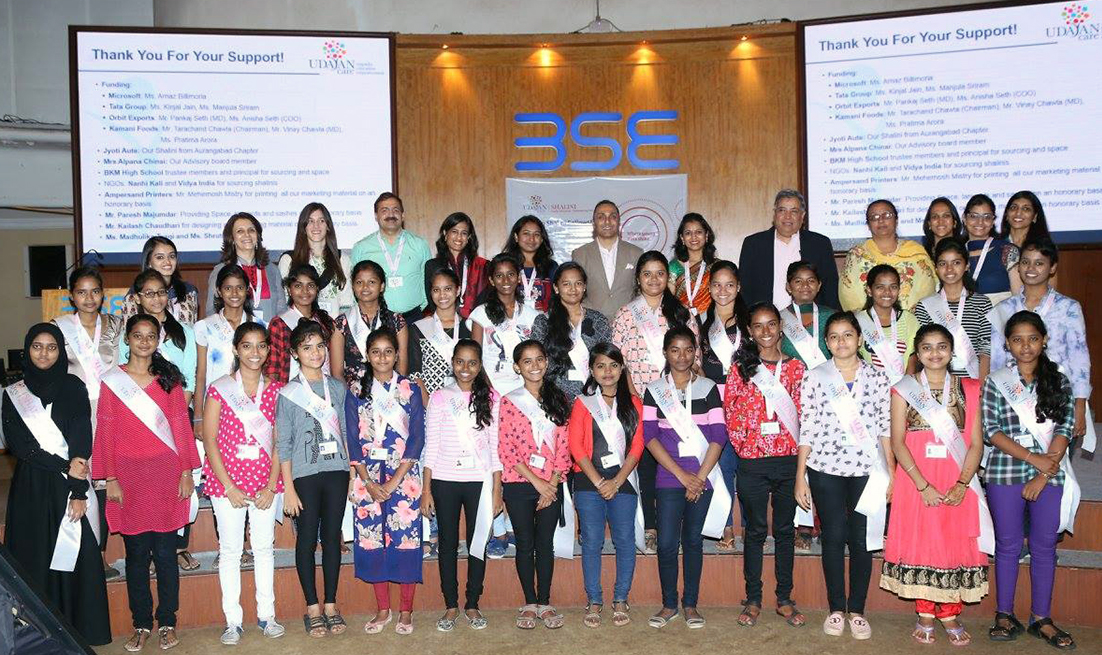
- Udayan Shalini Fellowship — a scholarship and mentorship program turning young women from low-income families into college graduates and community leaders
- Skilling & Livelihood Program — vocational and career training that helps young adults and women build lasting financial independence
Every dollar raised in the United States goes directly toward this work. You don’t have to be in the room to make a difference. You just have to decide to.
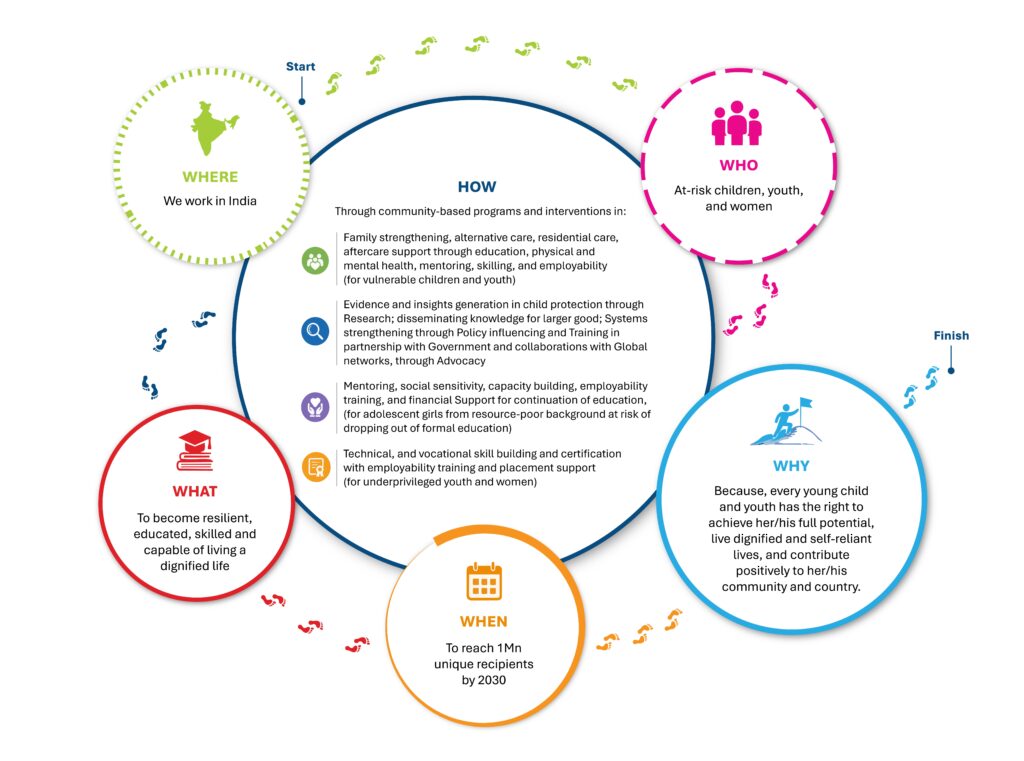
Theory of Change
How We Operate
Udayan Care USA is funded through individual donations and foundation grants. Every dollar is directed toward the program or initiative a donor designates; we don’t redirect funds without consent.
Donors receive quarterly impact reports that cover both the recipients’ stories and the financial details, so you always know where your money went and what it made possible.
Our annual budget, annual report, and financial documents are published openly on this site. No request needed. No hoops to jump through. If you want to look under the hood, everything is here.

Udayan Ghar
For over 31 years, the Udayan Care Ghars (Homes) have taken in orphaned, abandoned, and abused boys and girls throughout northern India.
Skilling & Livlihood
This program provides disadvantaged women and youth with access to IT and vocational training—focusing on underserved communities.
Udayan Shalini Fellowship (USF)
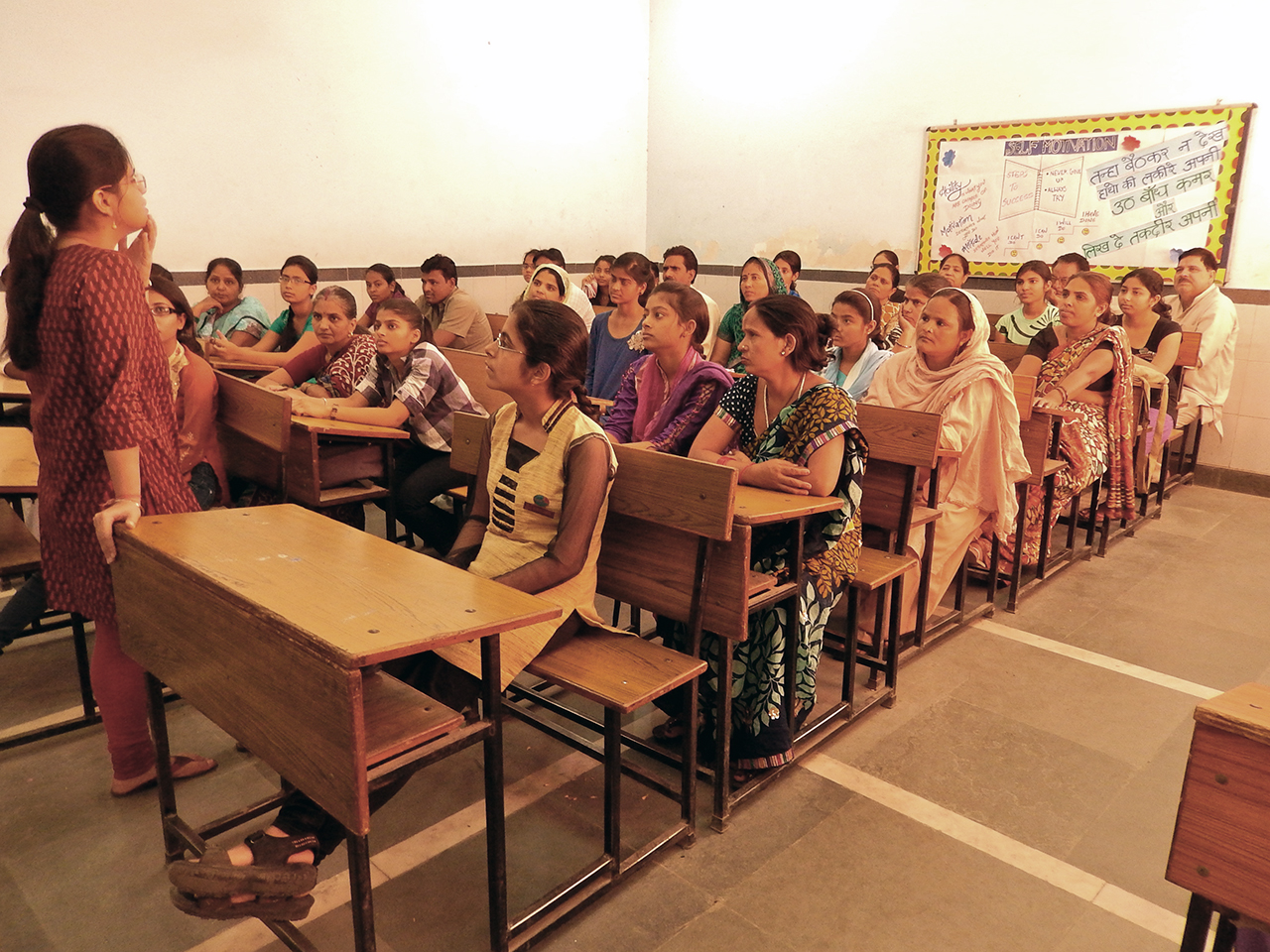
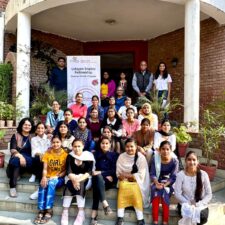
The Udayan Shalini Fellowship is an intensive five- to six-year program that provides financial, educational, and mentoring support.
The entire Udayan Care USA Board is 100% Volunteer effort
Board / Team Members
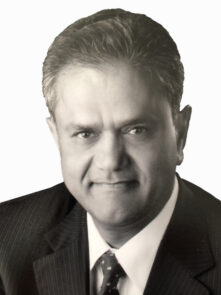
Tarun Anand
President
Tarun recently retired from full-time work as a Technology and Business executive at Cognizant Technology Solutions. He has lived in Orange County, California, since 1996 and now resides in Dana Point with his wife, Gunjan. Tarun completed his undergraduate studies in Mechanical Engineering at IIT Kanpur, India, and earned his graduate degree in Industrial Management Engineering from Rensselaer Polytechnic Institute, Troy, NY. Motivated by a strong desire to give back to society, he was introduced to Udayan Care USA by a friend in 2022. After meeting Dr. Kiran Modi, he decided to contribute his efforts to Udayan Care India. In February 2023, Tarun joined the Udayan Care USA Board to support fundraising.
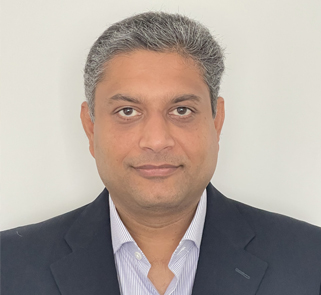
Gokul Patel
Treasurer
Gokul Patel is a technology executive based in Charlotte, NC. He is originally from Ahmedabad, Gujarat. He completed his bachelor’s in chemical engineering from Ramaiah Institute of Technology in Bengaluru and has an MBA in finance from UNC Charlotte. In his free time, he likes cricket, Bollywood, traveling, and adventure sports. He has been associated with Udayan Care for over 3 years.
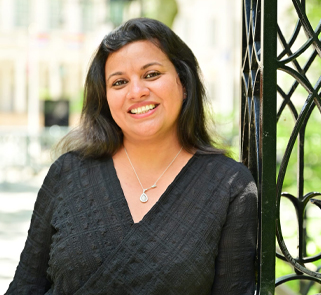
Shilpy Chatterjee
Board Member
Shilpy Chatterjee holds a BA LLB from the University of Delhi and started her career as a farmer and tribal rights activist. She then worked with survivors of gender-based violence. Currently, she serves as the Senior Prevention Coordinator at the New York City Alliance Against Sexual Assault. She believes education and awareness can challenge sexual violence across cultures. She was awarded the Advocate of New York City (2019) and a New York State Assembly Citation. In her free time, she enjoys visiting museums and exploring vintage stores and yard sales.
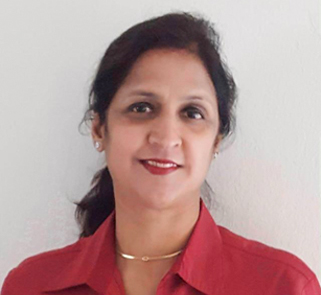
Ruchi Saran
Board Member
Ruchi Saran has been part of Udayan Care since 2010, when she relocated to India. She volunteered at Udayan Ghar in Chattarpur, working with the girls to improve their English communication skills. In 2019, she joined the UCUSA board and raised money through fundraisers to support UC India. She is also a member of multiple NGOs in India and the Bay Area, California, and is very passionate about making a difference in the community. Ruchi is a certified College Counselor and works with high school students in Grades 8-12, helping them with college and career choices and the college application process. She has a bachelor’s in psychology and an associate degree in Interior Design, Graphic Design, and Child Education. She currently lives in California with her husband.
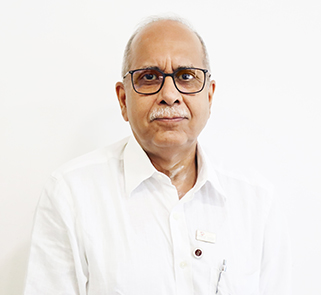
Deepak Sharma
Board Member
Mr. Deepak Sharma has been associated with Udayan Care in various capacities. He has been a full-time volunteer since August 2013. He is an Honorary Director of ‘Jagshanti Udayan Ghar’ in Greater Noida, as well as Udayan Care’s IT Training Program. He is the Convenor of the Udayan Shalini Fellowship program at Greater Noida (started in 2016). A qualified Electrical Engineer, he has served for 31 years in different PSUs, Multinationals, and Indian corporates. He voluntarily quit his job with Tata Teleservices Ltd, a telecom company, in Aug 2013 to fulfill his long-cherished dream and desire to give back to society by joining an NGO working for the upliftment and education of the girl child. He found Udayan Care, the right platform to accomplish his dream, after serving as a part-time volunteer at Udayan Care Noida Homes from 2009 to 2013. Mr. Deepak Sharma, in addition to being a mentor-father at the girls’ home in Greater Noida, is actively involved in Fundraising and in matters concerning Policy, Finance, and Strategy at Udayan Care.
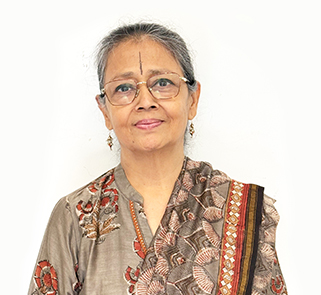
Dr. Kiran Modi
Board Member
Dr. Kiran Modi is the Founder and Managing Trustee of Udayan Care. She founded Udayan Care in Delhi, India, in 1994, with the vision of ‘Making Young Lives Shine’, which runs group homes for orphaned and at-risk children, amongst many of its projects. With a doctorate in American Literature from IIT, Delhi, Dr. Modi has varied experience across diverse fields, including child protection, media, health, and children’s theatre. Besides running programs for Alternative Care of ‘Out of Home Care’ children, education and Livelihood program for disadvantaged girls and youth, she is keenly interested in raising standards of care in Alternative Care, and has been organising trainings and research, and publishing papers on Child & Youth Care. She is Founder Editor of an international bi-annual journal on Alternative Care: ‘Institutionalised Children: Explorations and Beyond’ (ICEB). Besides her management responsibilities, she is a “Mentor Mother” to many children and youth, giving them personalised care and attention. Recipient of many prestigious awards, Dr. Modi continues to strive to ensure the rights of underprivileged children and youth with the same passion and zeal as when she started out more than two and a half decades ago.
